

 de
de

Untersuchung des Sauerstoffgehalts im Mikrobiom des Panda-Darms
Wenn man an Riesenpandas denkt, fällt einem wahrscheinlich als Erstes ihre berühmte Bambusernährung ein. Hinter diesem ikonischen Tier verbirgt sich jedoch eine faszinierende biologische Frage: Wie kann eine Art mit einem Verdauungstrakt, der eher dem eines Fleischfressers ähnelt, sich fast ausschließlich von faserigem Pflanzenmaterial ernähren? Obwohl sich der Riesenpanda so entwickelt hat, dass er sich fast ausschließlich pflanzlich ernährt (99 % Bambus), verfügt er nach wie vor über einen relativ kurzen Darm und eine schnelle Darmpassagezeit, wie sie eher für fleischfressende Arten typisch sind. Diese ungewöhnliche Kombination fasziniert Forscher seit Jahren und wirft die Frage auf, wie Pandas eine zellulosereiche Ernährung verarbeiten können, obwohl typische zelluloseabbauende Bakteriengruppen im Darm des Pandas relativ selten sind. Um dies zu untersuchen, untersuchten Deng et al. das Darmmikrobiom des Riesenpandas. Ein Teil ihrer Studie befasste sich dabei mit der Frage, ob die Sauerstoffverfügbarkeit die Fähigkeit von aus Pandas isolierten Escherichia coli-Stämmen zur Zelluloseverarbeitung beeinflusst [1].
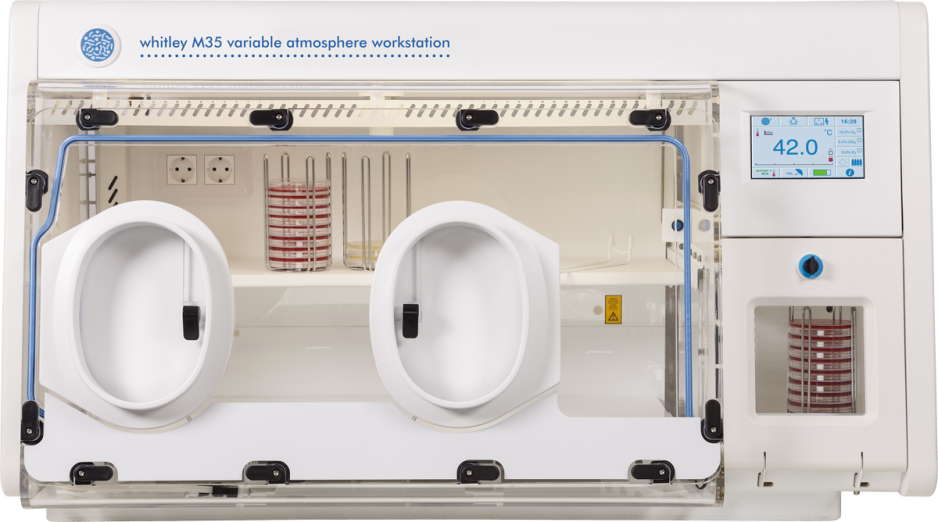
Im Rahmen ihrer Untersuchung identifizierten die Forschenden aus Pandas stammende Escherichia coli-Stämme als eine interessante Bakteriengruppe. Diese häufig vorkommenden Darmmikroben wurden genauer untersucht, um ihren möglichen Beitrag zur Zelluloseverarbeitung zu verstehen. Sechs E. coli-Stämme wurden anschließend unter Sauerstoffbedingungen von 0 %, 4 % und 21 % mithilfe einer Whitley M35 Arbeitsstation kultiviert [1]. Da die Sauerstoffkonzentrationen im Magen-Darm-Trakt naturgemäß variieren, konnten die Forscher durch die Nachbildung unterschiedlicher atmosphärischer Bedingungen untersuchen, wie sich das Verhalten der Bakterien in Abhängigkeit von der Sauerstoffverfügbarkeit veränderte. Die Atmosphärenregelung der Whitley M35 Arbeitsstation ermöglichte es den Forschern, den Sauerstoffgehalt von anaeroben bis hin zu mikroaerophilen Bedingungen anzupassen, ohne die zugeführte Gasversorgung zu verändern. Dadurch konnten die Forscher die Zelluloseverarbeitung unter allen drei Bedingungen miteinander vergleichen.
Deng et al. stellten fest, dass bei 0 % Sauerstoff kein Zelluloseabbau stattfand, während bei etwa 4 % Sauerstoff eine Aktivität auftrat, die bei 21 % Sauerstoff weiter zunahm, was auf eine sauerstoffabhängige Reaktion hindeutet. Die Genexpressionsanalyse zeigte zudem, dass sich die bakterielle Physiologie entsprechend der Sauerstoffverfügbarkeit veränderte. Gene, die mit der aeroben Atmung in Verbindung stehen, waren unter Bedingungen mit höherem Sauerstoffgehalt aktiver, während bei 0 % Sauerstoff die Stoffwechselwege der anaeroben Atmung stärker im Vordergrund standen. Die Forscher beobachteten zudem unter mikroaerophilen Bedingungen eine erhöhte Expression von Genen, die mit der Zelluloseverarbeitung in Verbindung stehen. Wichtig ist, dass die Autoren nicht davon ausgingen, dass Sauerstoff direkt am Abbau von Zellulose beteiligt sei. Stattdessen interpretierten sie Sauerstoff als Modulator des bakteriellen Zellzustands, wobei Veränderungen der Sauerstoffverfügbarkeit die bakterielle Physiologie veränderten und zu den beobachteten Unterschieden in der Zelluloseverarbeitungsaktivität beitrugen [1].
Diese Studie trägt nicht nur zu einem besseren Verständnis des Darmmikrobioms des Riesenpandas bei, sondern verdeutlicht auch, wie die Sauerstoffverfügbarkeit die mikrobielle Funktion im tierischen Wirt beeinflussen kann. Zudem zeigt sie, wie wichtig Laborsysteme sind, mit denen sich unterschiedliche atmosphärische Bedingungen in präzisen, zuverlässigen und reproduzierbaren Umgebungen nachbilden lassen. Mithilfe der Whitley M35 Arbeitsstation konnten die Forscher die Reaktionen der Mikroorganismen bei unterschiedlichen Sauerstoffkonzentrationen untersuchen und so Einblicke in das Verhalten von Bakterien unter Bedingungen gewinnen, die den in der Natur vorkommenden Bedingungen entsprechen.
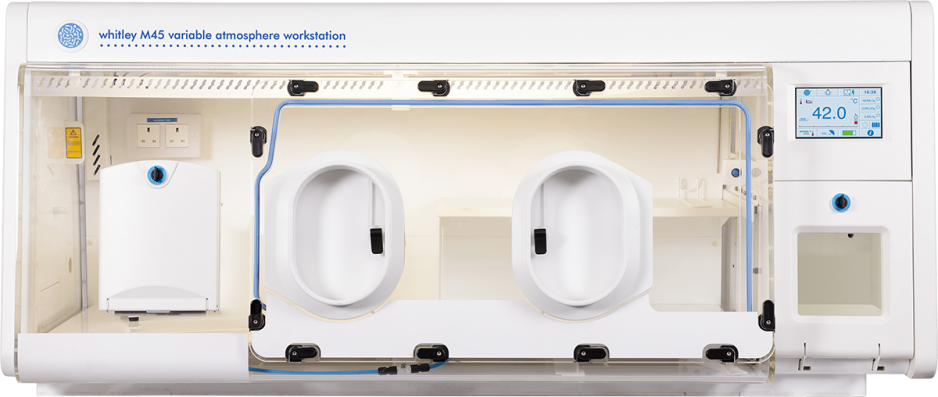
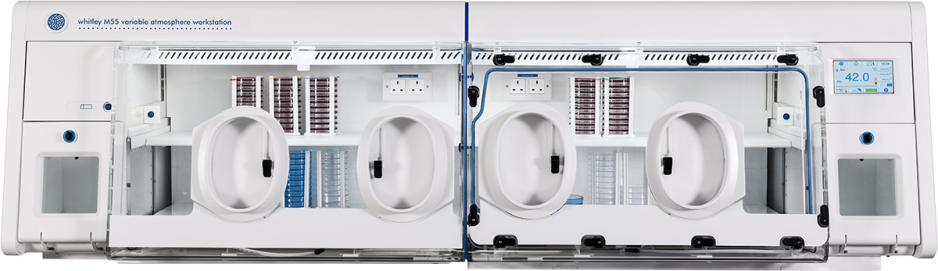
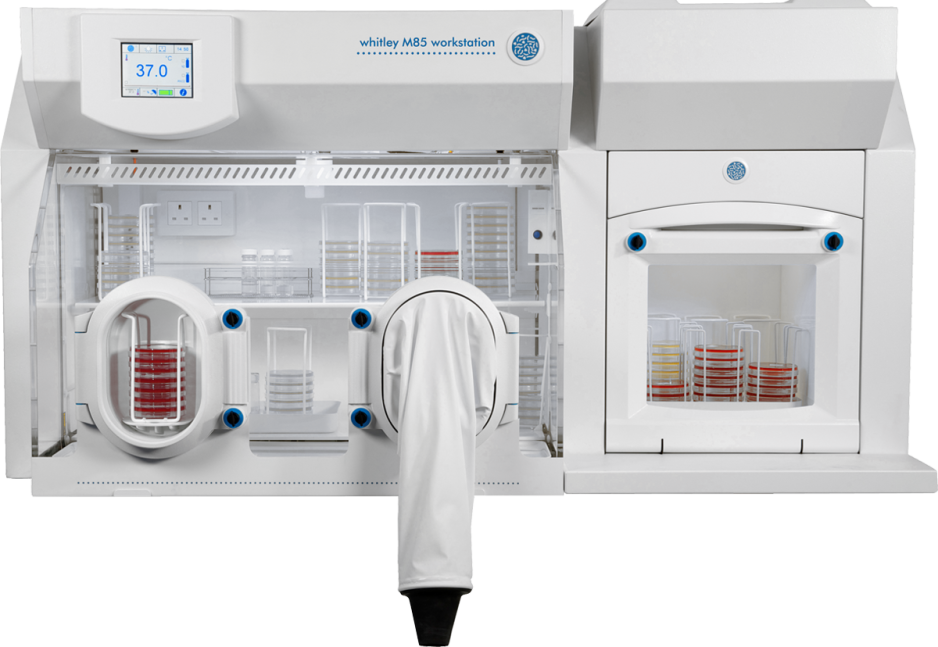
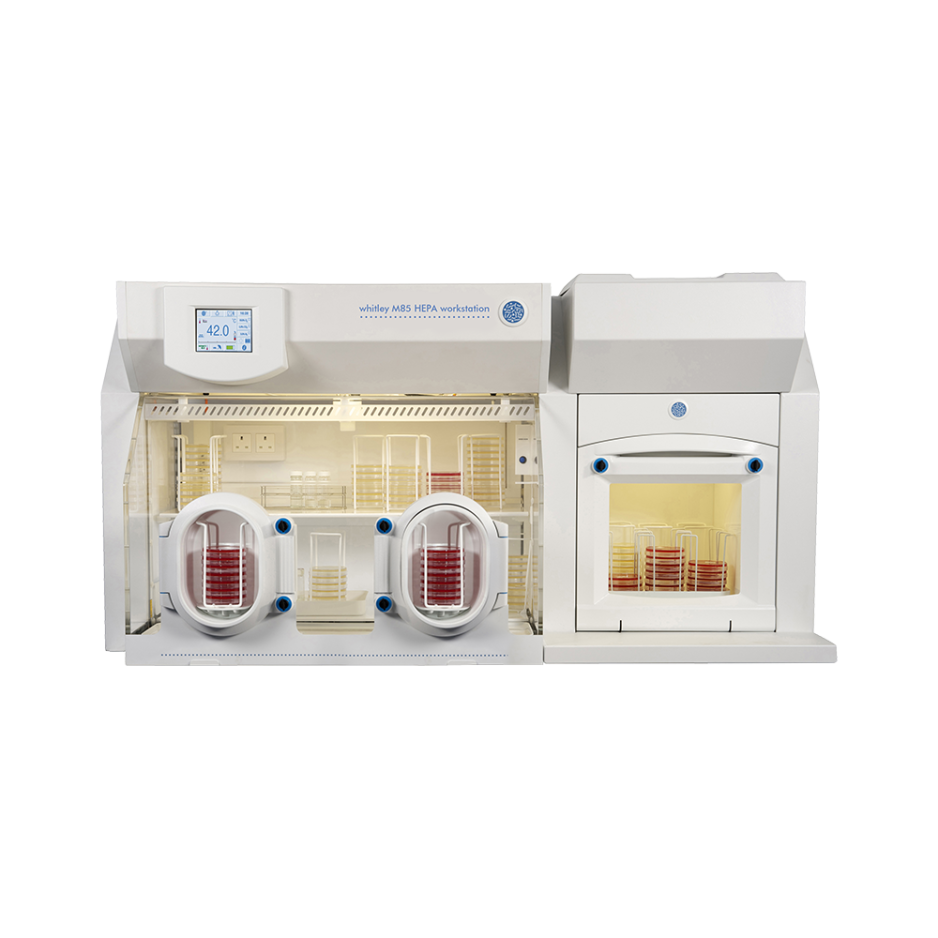
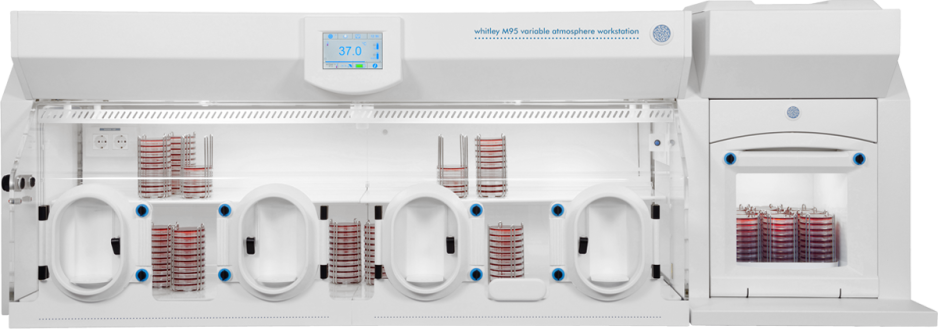
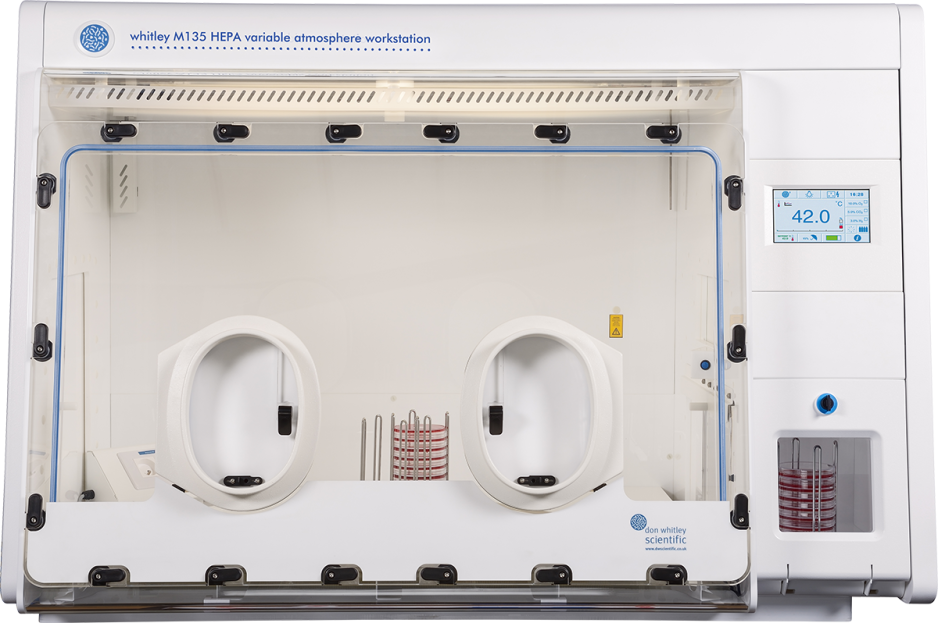
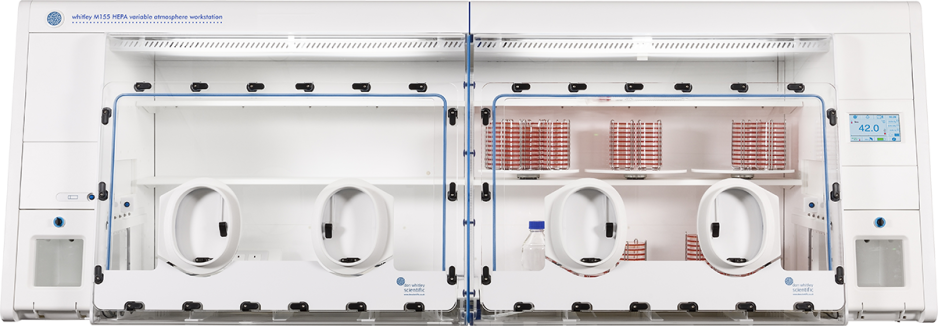
Erfahren Sie, wie unser Sortiment an mikroaerophilen Arbeitsstationen eine präzise Regelung von Sauerstoff, Kohlendioxid, Wasserstoff, Luftfeuchtigkeit und Temperatur ermöglicht, um Ihre Forschung zu unterstützen. Besuchen Sie unsere Website oder wenden Sie sich per E-Mail an info@meintrup-dws.de.
Referenzen:
- Deng, F, Han, Y, Peng, Y, et al. Microoxic conditions promote Escherichia-associated cellulase expression in the giant panda gut. The ISME Journal. 2026 April;20(1).



 England