
 de
de

Valerija Parthala, a PhD researcher at the University of Hertfordshire, was recently awarded with the Don Whitley Scientific (DWS) Travel Grant. Valerija used the award to present her research on the role of membrane vesicles in pathogenesis and gene transfer at Clostpath 14, which took place in Paris, France.
We asked Valerija to share more about her work:
Bonjour! My name is Valerija Parthala, and I am a final-year PhD student at the University of Hertfordshire. I am truly grateful to DWS for sponsoring me again to present my research, this time at Clostpath 14 in the City of Light (Paris).
You may wonder what my project is about—well, please sit down and let me indulge you in the world of membrane vesicles. Membrane vesicles are tiny lipid structures released by many bacteria, including C. difficile, and they can carry many biological molecules. Their biogenesis is not well understood, particularly in C. difficile, which has a protective armour called an S-layer. My PhD aims to study these vesicles—their role in pathogenesis and gene transfer. Of course, none of this would be possible without the Don Whitley Anaerobic Workstation (A35 HEPA) which allows me to isolate vesicles from C. difficile (and yes, it really does feel like having your own spaceship in the lab).
Attending Clostpath 14 was incredibly rewarding. It was both informative and inspiring to connect with familiar faces from ICDS, collaborators, and researchers worldwide who also study C. difficile membrane vesicles. For the first time in many years, I didn’t feel alone in this research field, and I could discuss challenges and exchange knowledge about these tiny lipid structures. Alongside presenting my poster, I had the privilege of co-chairing one of the conference sessions.
I also got to experience Paris—taking amazing tours led by postgraduate students at the Pasteur Institute. And nothing brought everyone closer than singing karaoke and dancing during the Gala dinner on a boat along the Seine, with a view of the Eiffel Tower. The memory of it was such a perfect way to conclude my last conference as a PhD student and keeps me motivated and encouraged to finish the full story of my project.
I would like to thank DWS and the University of Hertfordshire MoDDD Research Centre for sponsoring my travel. Huge thanks to my supervisor, Dr. Shan Goh, for her unwavering support; the Goh Lab for lifting my spirits with coffee breaks; and the technical team at the University of Hertfordshire for always coming to the rescue during my experiments. And thank you to everyone for enduring the strong smell of C. difficile in BHIS—I’ve accepted that my research will be embedded in your nose receptors forever.
Thank you for reading my blog. Au revoir, and I am off to the lab! (swoosh of cape).
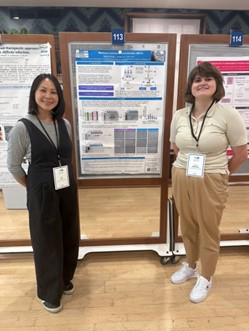
Dr Shan Goh (left; principal supervisor) and Valerija Parthala (PhD student)
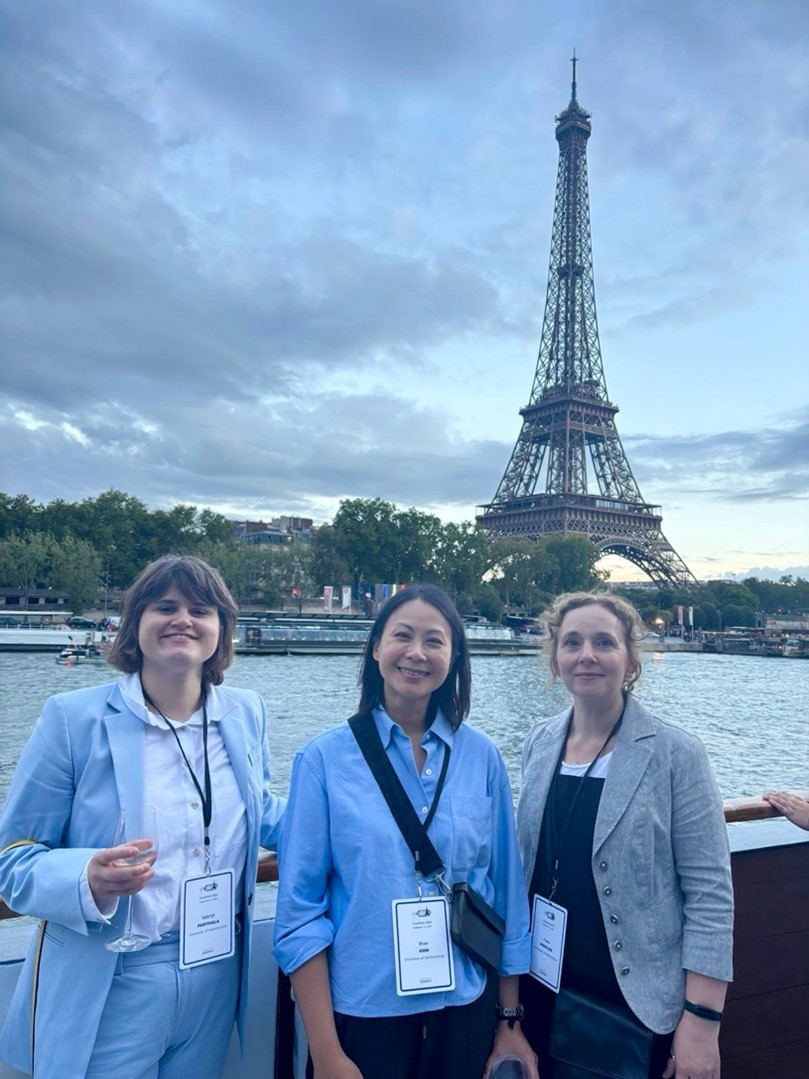
Val (left; PhD student), Dr Shan Goh (middle; principal supervisor), Claire Wheeler (PhD student)
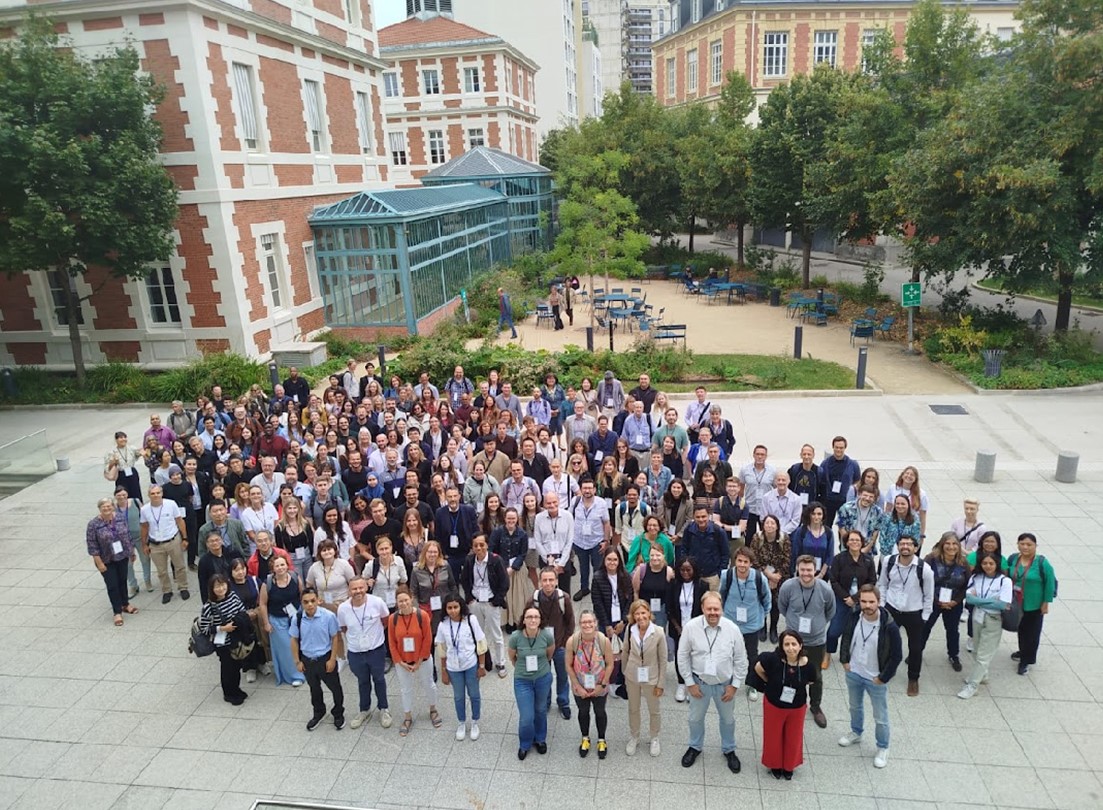
Clostpath 14 C. difficile community, Institute of Pasteur, Paris.
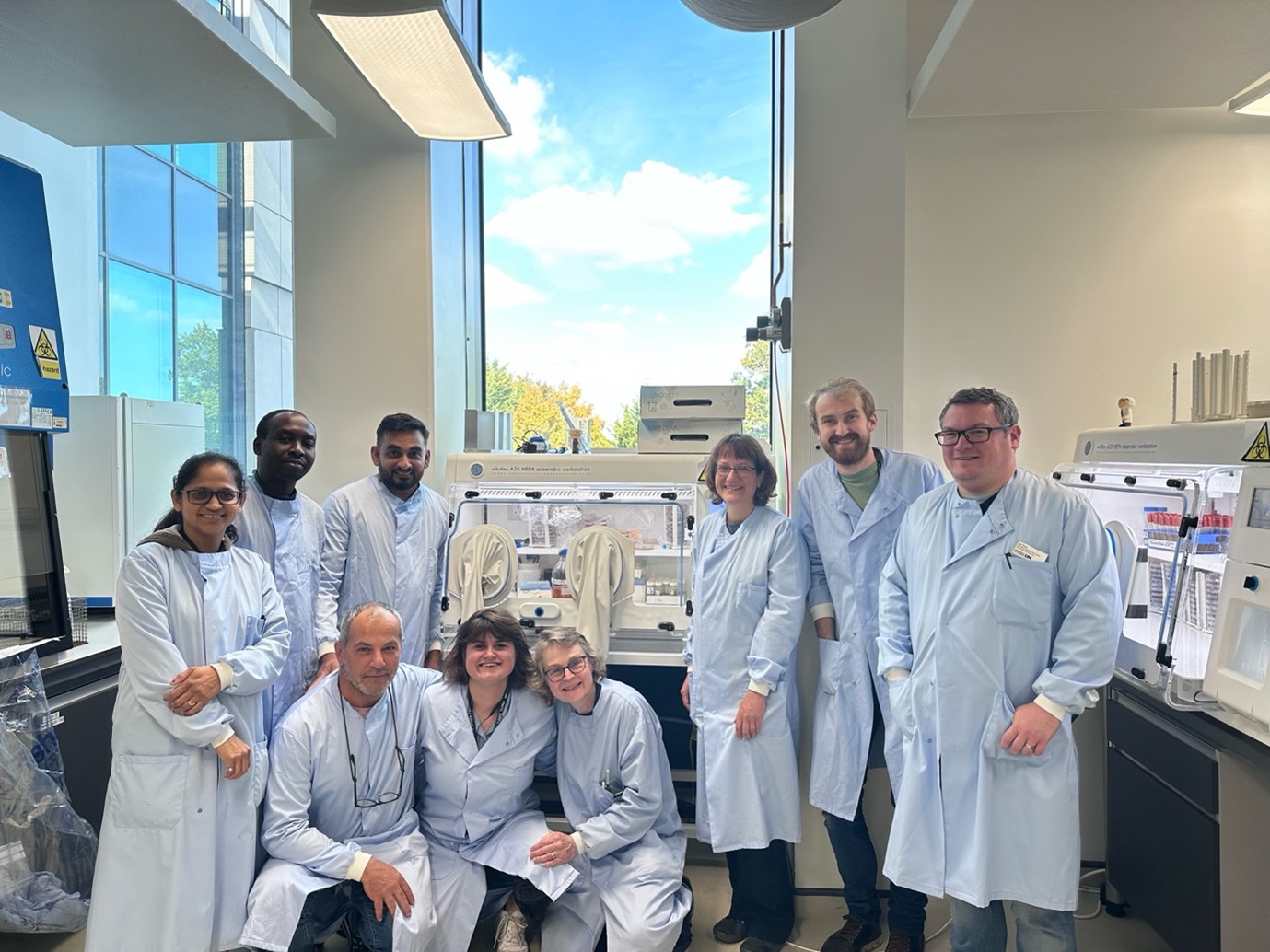
My research would not be possible without the support of the University of Hertfordshire team.
Top row (left to right): Keta Joshi, Eyitayo Akintayo, Mansukhlal Vadalia, Juliet Curry, George Aldridge, Lee Rixon. Bottom row (left to right): Marios Konstantinidis, Valerija Parthala, Diana Francis
We thank Valerija for providing such an insightful overview into her research and would like to congratulate her once again on receiving the DWS Travel Grant Award.
If you think that you might be eligible for the DWS Travel Grant, please visit our travel grant page for more details. If you're interested in our anaerobic workstation range, please see the products below.


 xEnglish